Dido and Aeneas
England’s first great opera: a Carthaginian queen, a departing hero, a coven of witches and the most famous lament ever written.
The English Orpheus
Henry Purcell1659 – 1695An independent guide for listeners
Choirboy, court composer, theatre hit-maker and the greatest English composer of the Baroque. Dead at thirty-six, and still impossible to forget.
On the evening of 21 November 1695, a man of thirty-six lay dying in a house in Dean’s Yard, within earshot of Westminster Abbey. He signed his will, leaving everything to “my loving wife Frances,” and died before midnight. Five days later he was buried beside the Abbey organ, which he had played since he was twenty, while the choir sang music he had written for the funeral of a queen only eight months earlier.
In roughly twenty working years Henry Purcell wrote some 800 pieces: England’s first great opera, Dido and Aeneas; anthems for three monarchs; songs for forty plays; and a few tavern catches too rude to print. This site is about him, and his music.
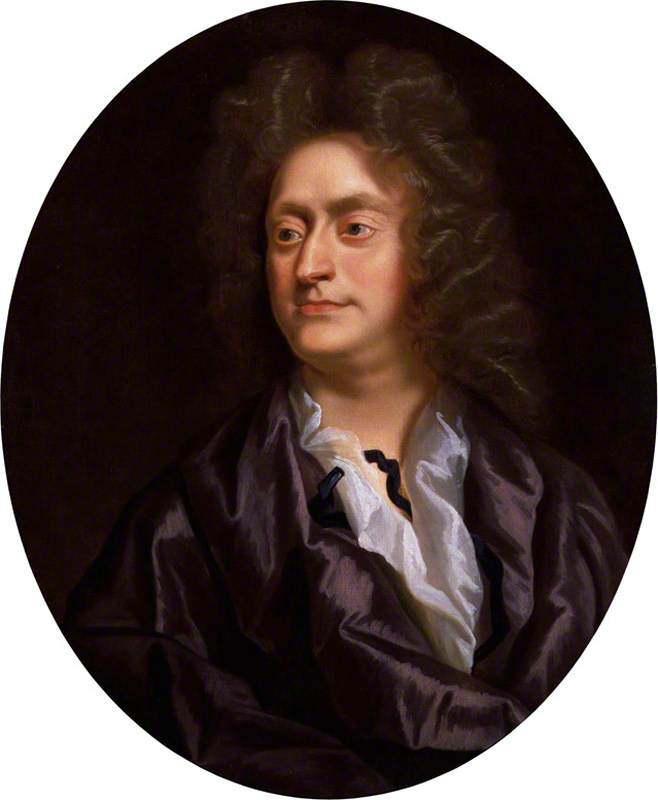
“Musick is yet but in its Nonage, a forward Child, which gives hope of what it may be hereafter in England.”Purcell, dedication to Dioclesian, 1691
England’s first great opera: a Carthaginian queen, a departing hero, a coven of witches and the most famous lament ever written.
The aria at the end of Dido and Aeneas: four minutes over a sinking ground bass, and the most famous lament in opera.
Purcell and Dryden’s 1691 semi-opera: wizards, Saxons, the shivering Frost Scene and the patriotic hymn ‘Fairest Isle’.
The shivering aria from King Arthur, sung by a frozen spirit who wants to be left alone. Later a cult hit for Klaus Nomi.
Purcell’s extravagant 1692 version of A Midsummer Night’s Dream: masques, monkeys and a score lost for two centuries.
Funeral march and anthems for Mary II in 1695, played again at Purcell’s own funeral, and the source of A Clockwork Orange’s opening music.
A dance from 1695 incidental music that Britten turned into the theme of The Young Person’s Guide to the Orchestra.
The hypnotic song from Oedipus (1692): Dryden’s words over a walking ground bass that never stops.
The wedding favourite long credited to Purcell is really Jeremiah Clarke’s Prince of Denmark’s March. How the mix-up happened.
Hear my prayer, the Bell Anthem, the Evening Hymn and the great court odes: the church and ceremonial music at the core of his output.
From Chapel Royal choirboy to Abbey organist, court composer and the busiest man in the London theatre.
Tuberculosis, a locked door or a cup of bad chocolate? What we know, and what we don’t.
Thirty-six years, three monarchs and one revolution, year by year.
The basics, the surprises and two myths that refuse to die.
From Flagstad’s regal Dido to the period-instrument bands. Where to start.
Monteverdi to Bach and Handel, and where the English Orpheus fits.
Henry Purcell (c. 1659–1695) was an English composer and organist of the Baroque period, widely regarded as the greatest English composer before Elgar. He was organist of Westminster Abbey and the Chapel Royal, served Charles II, James II and William and Mary, and wrote the opera Dido and Aeneas.
He is best known for Dido and Aeneas (1689) and its lament ‘When I am laid in earth’, the semi-operas King Arthur and The Fairy Queen, the Music for the Funeral of Queen Mary, and the Rondeau from Abdelazer, which Britten used in The Young Person’s Guide to the Orchestra.
Purcell was born in Westminster in 1659, probably in September, and died there on 21 November 1695, aged 36. He is buried in Westminster Abbey.
No. The famous Trumpet Voluntary is the Prince of Denmark’s March by Jeremiah Clarke, written around 1700. It was misattributed to Purcell for decades.